
15 Summer Jobs in Australia: Roles, Pay, Certifications
The rush of activities during the summer creates a chance to avail great job opportunities throughout the country. Sydney, Melbourne, Brisbane, Gold Coast and several small towns by the coast and regions require additional staff from October.


In Short
- The Australian summer runs from December to February. It is one of the peak periods for hiring in the country. Hotels, restaurants, shops, event spaces and farms increase their workforce significantly from October onwards.
- Most of the summer jobs in Australia are part-time positions offering flexible working hours and a fair salary with an increased wage scale for working on weekends, public holidays and late evenings.
- Backpackers and individuals holding working holiday visas (subclass 417 and 462) can pursue summer job opportunities in hospitality, retail, tourism, and farm work in Australia. Working holiday visas allow freedom to work for multiple employers and apply for casual seasonal work when needed.
- Having certificates such as RSA (Responsible Service of Alcohol), RSG (Responsible Service of Gambling), or a Food Safety qualification gives you an edge over other job applicants.
Good news for those who want to find a summer job in Australia during this time. Plus, many of these opportunities are available to students, backpackers, recent school-leavers and people wanting to get back into the workforce.
This guide covers 15 of the most in-demand summer jobs available in Australia, what each role pays, what qualifications help, and how to find the right opportunity.
15 Summer Jobs in Australia: Roles, Pay, Certifications
Australia’s summer work opportunities get busy fast. November through February is when tourism peaks and events fill up the calendar. Of course, there’s actual demand across a lot of different industries all at once. Bars, farms, resorts, construction sites, and festival crews. All that is a pretty solid mix. If you’re on a Working Holiday Visa, taking a break between studies, or just want to make some decent money over summer, you’ve got real options here.
1. Waiter / Waitress
Average Pay: $31-$40/hr casual (including penalties)
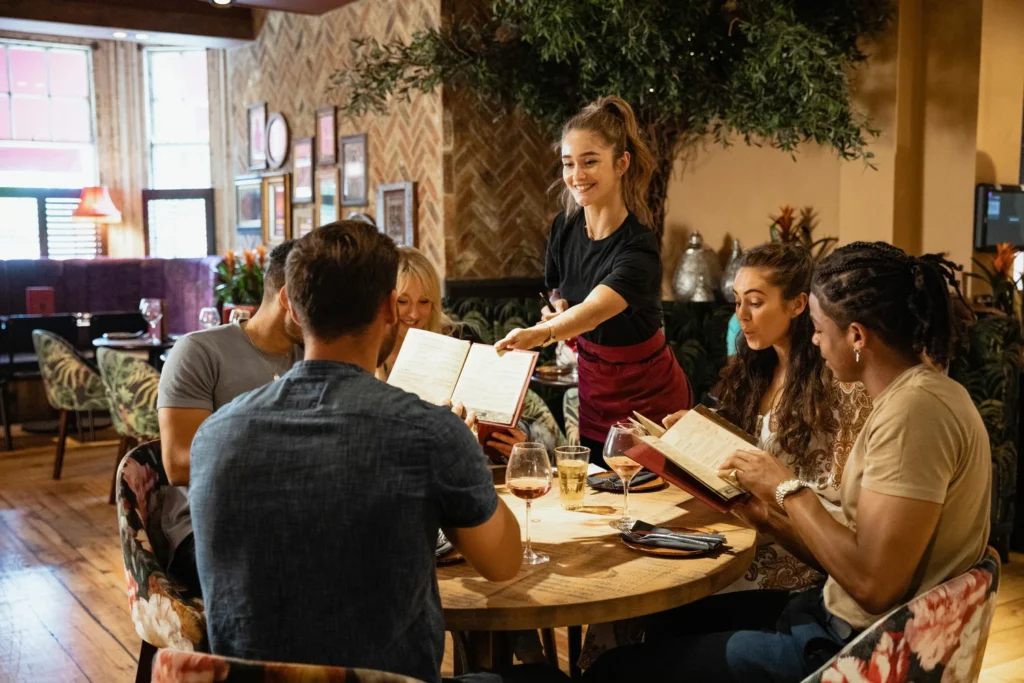
Working as a waiter/waitress is one of the most common summer job opportunities in Australia. Restaurants, cafes, pubs and hotels in Sydney, Melbourne, Brisbane and coastal areas are hiring extra staff throughout the year to prepare for the summer.
Responsibilities include taking orders from customers, delivering food and drinks to tables, explaining menu items, processing bills and ensuring smooth and efficient service delivery during busy periods. Summer weekends, including Fridays and Saturdays, are extremely busy periods with extended working hours contributing significantly to higher earnings over and above the basic hourly wage for casual workers.
A Responsible Service of Alcohol (RSA) certificate is necessary if the venue is licensed, covering most restaurants, all pubs and clubs. Many venues offer training in their systems and menu, but having completed an RSA increases your chances of getting hired, as it shows you are committed to doing the job.
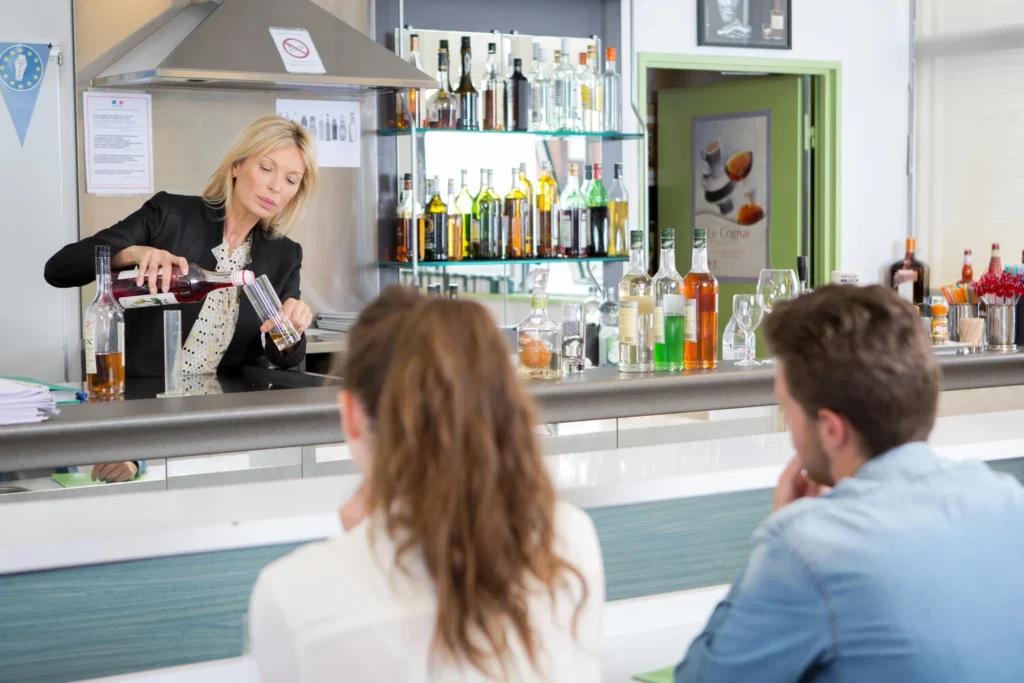
2. Bartender / Bar Attendant
Average Pay: $31-$55/hr casual (including weekday to Sunday penalties)
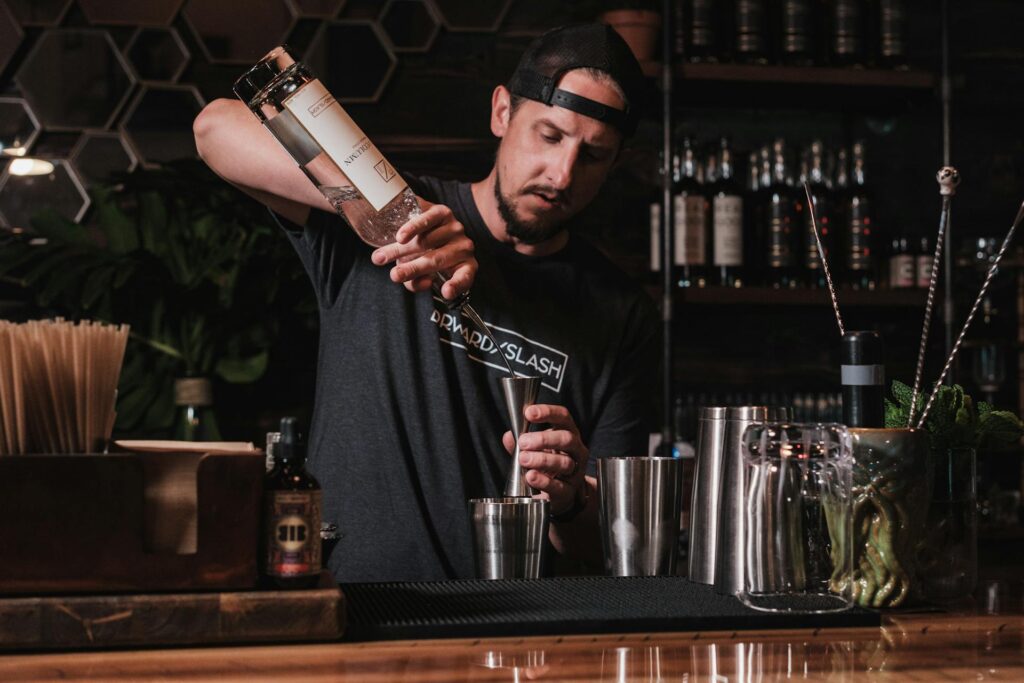
Being a bartender is a popular job to do during Australian summers. Working in a fast-paced social environment with consistent work opportunities during the holidays and attractive pay rises for evening and weekend shifts makes it one of the well-paid casual jobs available.
The job involves making and serving drinks, dealing with customers at the bar, and observing customers’ behavior. During the summer months in coastal areas and major cities, working behind a bar can be a round-the-clock job from December until the Australia Day long weekend.
You’ll need to hold an RSA certificate before you start work. To serve alcohol in most states, you need to have completed a government-approved RSA course. Venues that offer gaming facilities may also require you to hold an RSG qualification.
3. Cafe Barista
Average Pay: $25-$36/hr casual
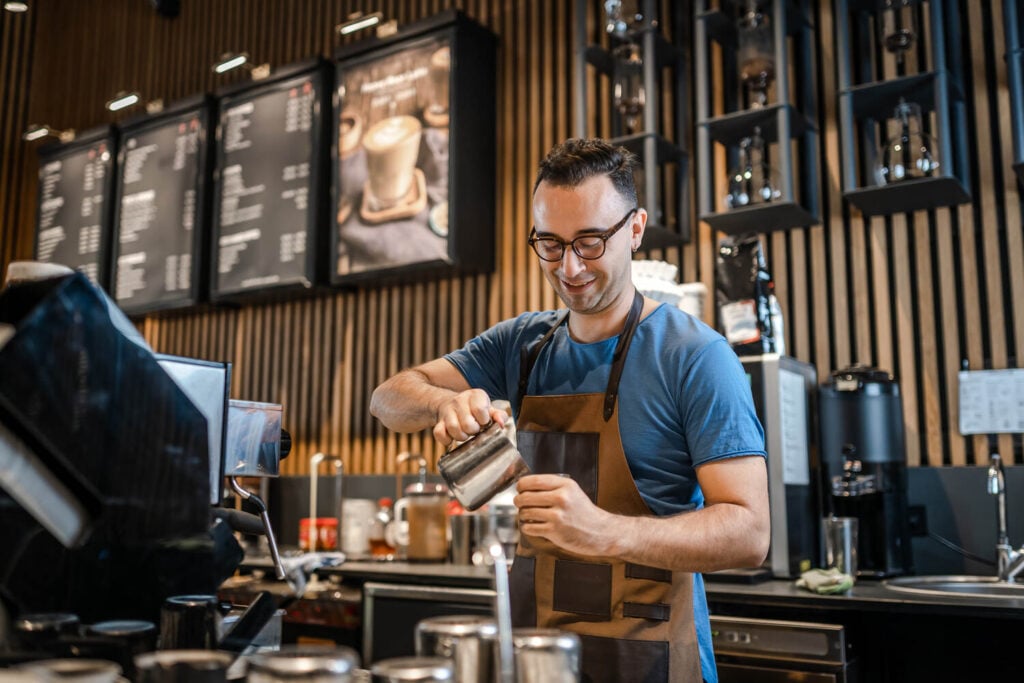
Cafe baristas are needed throughout Australia during the summer months, especially in beachside suburbs and tourist spots. The job involves making coffee (of course), frothing milk, taking orders and dealing with the morning rush.
Beachside cafes have their busiest period in January, with many increasing their staff levels during the school holidays. Although formal training is not necessary, holding a Food Safety certificate is highly beneficial as it provides evidence of good food handling practices, which all food businesses expect their employees to follow.
Good experience with an espresso machine is important, although several cafes are willing to provide training to hardworking and keen individuals. Applying with a Food Safety certificate and a confident attitude increases your chances of landing this job.
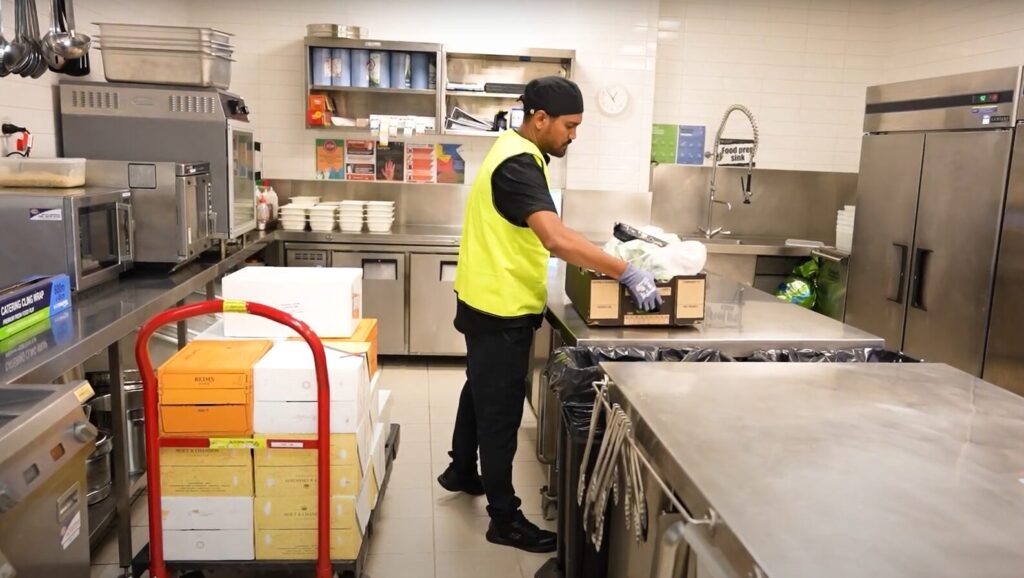
4. Catering Assistant / Kitchen Hand
Average Pay: $25-$32/hr casual
There is a good opportunity to get a job as a kitchen hand without previous experience. Owing to its physically demanding nature, several establishments find it challenging to manage vacancies for this position. If you are willing to get involved in the task and contribute actively, it’s a great chance to establish a good career foundation.
Summer events, outside catering agencies and busy hotels located on the coast require experienced and efficient kitchen hands from mid-December to early February.
A Food Handler certificate shows your employer that you understand good food safety and cleanliness habits, making you a safe choice from a regulatory point of view.

5. Retail Sales Assistant
Average Pay: $24-$38/hr casual (including weekend penalties)
Australian retail picks up pace from late November to early January. The shopping frenzy around Christmas, Boxing Day sales and the influx of domestic tourists to popular coastal spots and major cities create huge opportunities to work in retail on a casual basis.
Department stores, clothing retailers, souvenir shops, surf and beachwear stores and shopping malls increase their staffing levels during this time.
Your duties will include helping out with customers, running the till, keeping stock up-to-date and creating a clean, inviting shopping environment. Most employers provide on-the-job training, making retail work a great option for those wanting to earn money while discovering their working career path in Australia.

6. Event Staff / Festival Worker
Average Pay: $28-$50/hr casual (role and penalty rate dependent)
Australia’s summer is peak festival season. Music festivals, community events, sporting fixtures, outdoor markets and New Year’s Eve celebrations require numerous casual staff to keep things running smoothly. Working in event includes scanning tickets, crowd management, selling merchandise, serving drinks at bars and general site support.
The work can involve long hours, hot and noisy conditions and late-night shifts. However, the pay rate is higher than normal hospitality rates, and working at events provides a quick way to build your resume, showing the ability to handle challenging situations in a big arena.
If the event includes serving alcohol, you will need to hold a Responsible Service of Alcohol (RSA) certificate. Many event staffing agencies do not provide roles involving serving drinks or beverages without one. Having your RSA gives you immediate access to event jobs.

7. Housekeeping / Hotel Attendant
Average Pay: $25-$33/hr casual
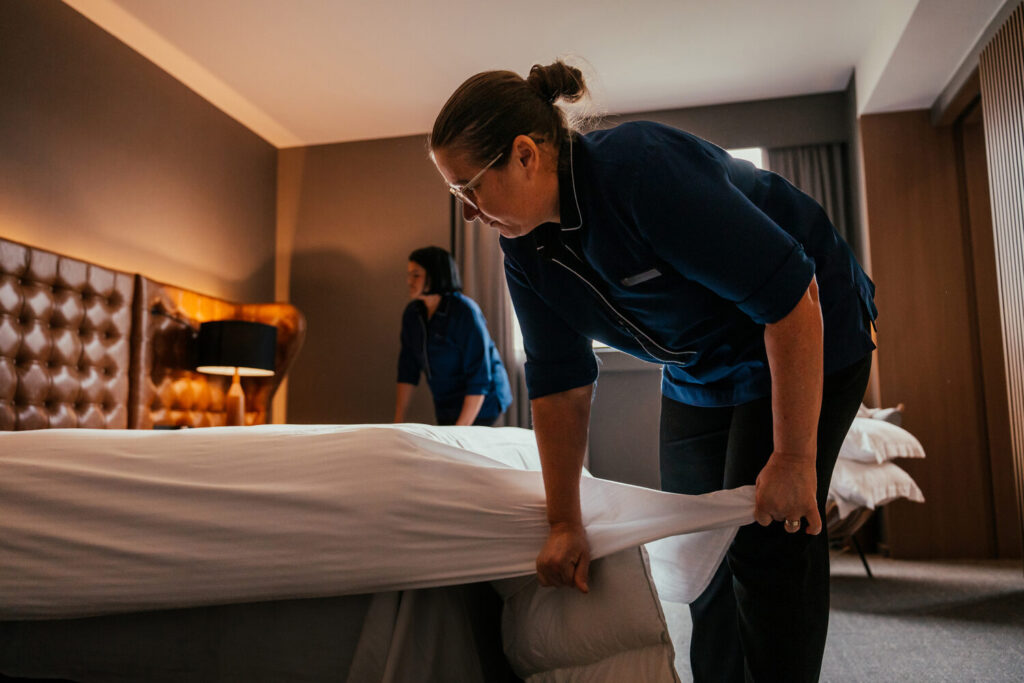
All hotels, resorts and serviced apartments increase their staff levels during the Australian summer. Housekeeping staff clean and prepare guest rooms, change the linens, restock amenities, report any needed repairs and ensure all rooms are prepared to the same high standard for guests arriving after previous guests have departed.
Housekeeping work is routine and physically demanding. Early starts are common, with intense periods of work dealing with guest arrivals and departures during peak holiday periods. Dependability and speed of work are key qualities needed for this role.
No specific qualifications are needed to work in housekeeping, although having a Food Safety Certificate if working in dining areas can be beneficial. Hotels in popular tourist spots such as the Gold Coast, Cairns, Byron Bay and Whitsundays begin advertising job vacancies well ahead of peak season, so apply in October instead of December to improve your chances of getting hired.
8. Tour Guide / Attraction Staff
Average Pay: $26-$38/hr casual
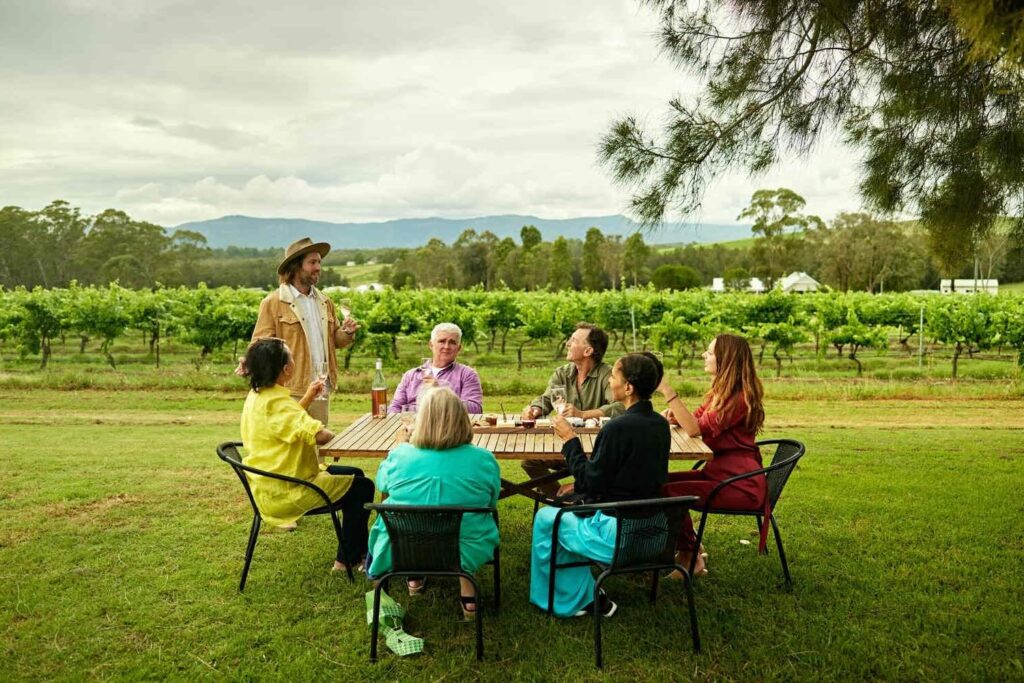
Tourism increases during the Australian summer and attractions, nature tours, wine regions, national parks and cultural sites employ additional guides and staff to deal with increased visitor numbers.
The role of a tour guide requires strong communication skills to engage diverse groups of visitors and to be comfortable communicating in public places. Tour attraction staff are responsible for ticketing, crowd flow management, assisting visitors and selling merchandise. Both types of work offer opportunities to enjoy a social and active working environment.
Having a first aid certificate can be useful when working in outdoor and adventure tourism jobs. Many of these roles require this qualification and demonstrate your ability to respond safely in situations with a high number of visitors.
9. Kitchen Cook / Prep Assistant
Average Pay: $27-$40/hr casual (experience dependent)
Experienced chefs and cooks are highly sought-after throughout Australia during the summer. Beachside and tourist destinations work hard during the summer. Places that would provide about 80 seats on a Friday evening could deal with up to 150 customers in January.
Holding a food safety certification demonstrates a good understanding of food hygiene and contamination control measures from day one; this means fewer risks and concerns for the head chef.

10. Gaming Attendant (RSG Role)
Average pay: $28-$38 per hour (including penalty rates)
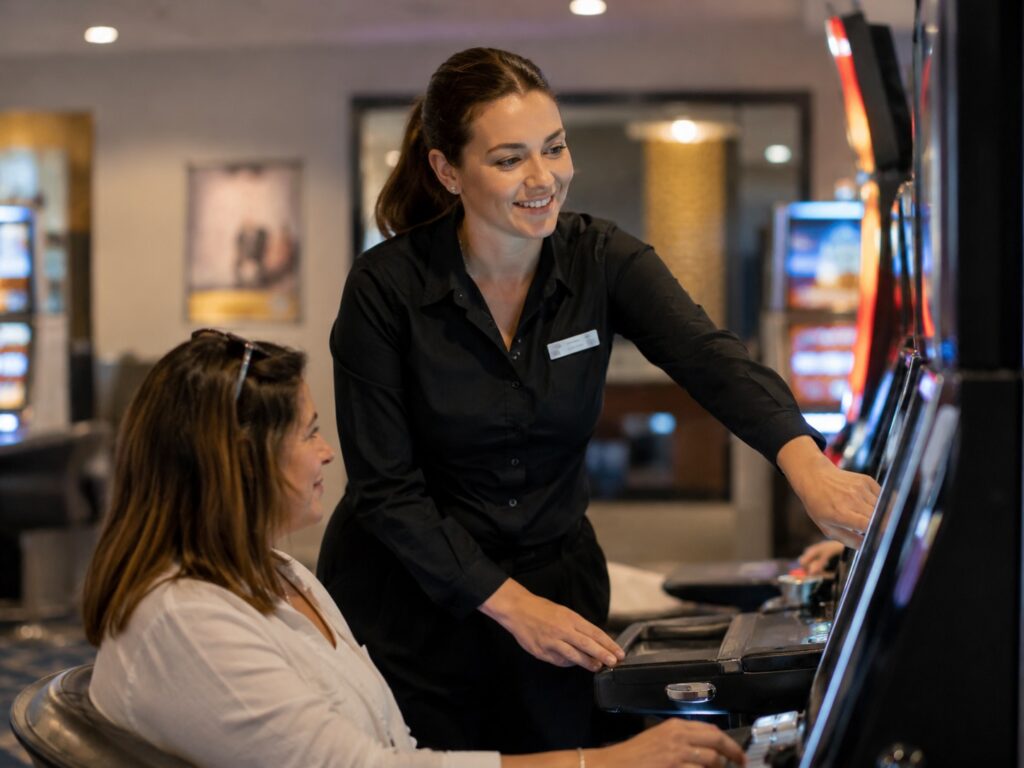
Gaming attendants work at the gaming areas of pubs, clubs and RSL venues throughout Australia. Their tasks include attending to patrons using electronic gaming machines, processing payouts, monitoring the gaming floor for signs of problem gambling behavior and implementing responsible gaming practices throughout their shifts.
During summer, venues offering a combination of dining, bars and gaming activities experience an increase in customer footfall from December to February, creating good opportunities to work on the gaming floor. All states require an RSG certification to work in any gaming role. In New South Wales, the equivalent certification is called RCG (Responsible Conduct of Gambling).
Venues with a licensed bar in the gaming area may require both RSG and RSA qualifications. Having obtained these two qualifications before applying for a casual gaming job puts you ahead of many other applicants.
11. Food Truck Assistant
Average Pay: $24-$34/hr casual
Food trucks operate widely during Summer festivals, markets, beachside locations and outdoor events. The work environment is casual and social. Working hours vary greatly based on event calendars.
Some food trucks operate daily in popular beachfront strips, while others tour the festival circuit. Holding a Food Handler Certificate is highly valued, and the ability to work efficiently and accurately under pressure is essential.

12. Construction Labourer
Average Pay: $30-$45/hr casual (including penalty rates)
Summer is one of the busiest periods on Australian construction sites. Long days and dry weather mean project timelines move fast, and contractors regularly take on casual labourers to keep up with demand. Day-to-day work varies depending on the site. General clean-up, shifting materials, assisting tradespeople, and keeping the site safe and organised.
It’s physically demanding work, but the pay is solid and experience adds up fast. Large construction companies, labour hire firms, and smaller contractors all ramp up hiring over summer. You don’t need trade qualifications to get started, but you do need a White Card before you can set foot on any construction site in Australia. It’s a one-day course and you can get it done before you start applying.

13. Bakery Assistant
Average Pay: $25-$36/hr casual
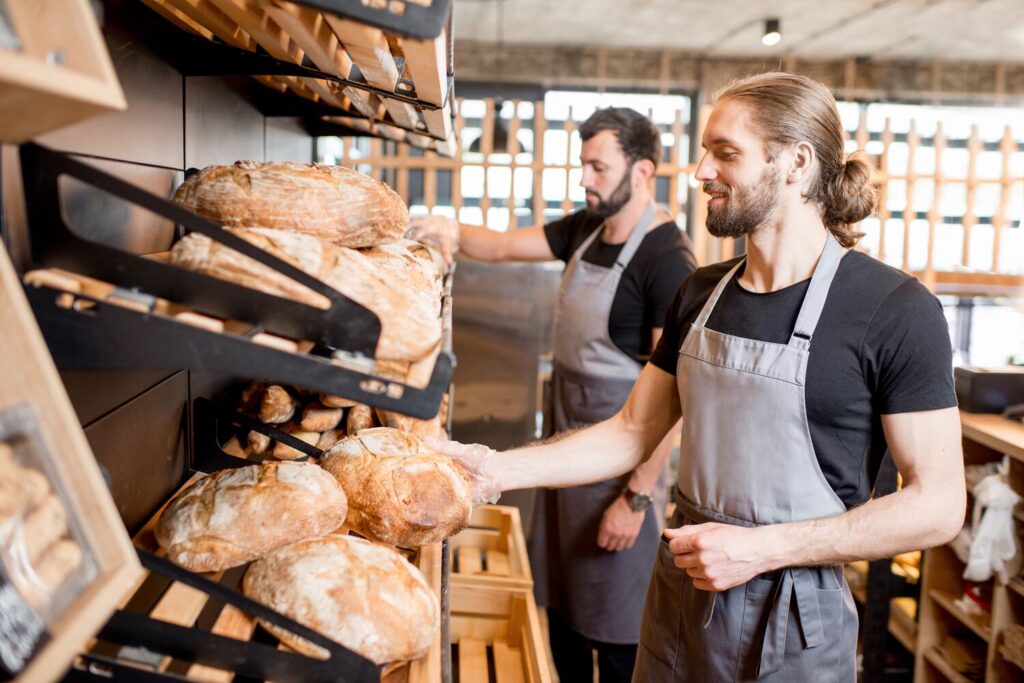
Bakery work is physically demanding and requires early start times, but there is strong demand throughout Australia during the summer.
During January and the school holiday period, coastal bakeries, tourist strip cafes and suburban bread shops experience an increase in business. Holding a food handling certificate shows you understand the necessary cleanliness guidelines for working with food products. This is particularly important at a bakery where the risk of contamination is higher than in general retail stores.
14. Adventure Park Attendant
Average Pay: $25-$35/hr casual
Waterparks, theme parks, surf parks and adventure tourism destinations in Queensland and New South Wales create the biggest demand for staff during the Australian summer. Ride safety, guest flow, ticketing, storage room management and general customer care are part of the job description.
These roles suit people who enjoy working outdoors and staying alert and professional during long, busy shifts. First-aid training is required for a safe working environment, and good customer service skills are a definite asset for this job. Many parks start employing staff in October to provide them with proper training before the peak season begins in January.

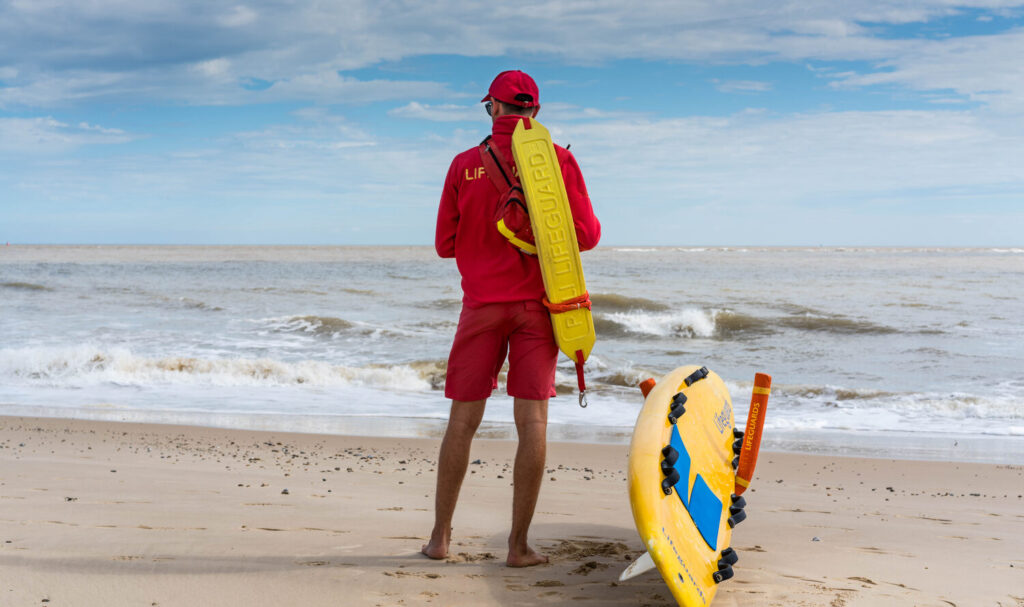
15. Surf Instructor / Lifeguard Assistant
Average Pay: $28-$45/hr casual
Surf instructor and lifeguard assistant roles are among the most popular summer jobs for people who love the outdoors and want to spend the season on the coast. Surf schools up and down the eastern seaboard, from Sydney’s northern beaches to the Gold Coast and Byron Bay, hire instructors and assistants to manage the summer influx of beginners.
A Surf Rescue Certificate and Bronze Medallion are typically required for lifeguard roles. Surf instructors generally need experience and may need to complete a surf coaching accreditation through Surfing Australia. These are not entry-level positions, but for people with the right background and certifications, they represent some of the best summer work available in Australia.
Key Qualifications That Will Help You Get a Summer Job in Australia
Having the right qualification prior to starting to apply for summer job opportunities increases your chances of landing a good job. Many jobs in areas such as hospitality, gaming and food services require certain qualifications before commencing your first day at work. Below is detailed information about various qualifications required to serve in different fields.
Responsible Service of Alcohol (RSA)
In Australia, RSA is a mandatory requirement for anyone serving or supplying alcoholic beverages at licensed venues. With respect to summer jobs, this includes bar staff, restaurant staff with RSA, event staff offering drink services, and hotel bar employees.
Based on the nationally accredited unit SITHFAB021, the RSA course takes 3-6 hours to complete. Most states provide options to complete the course via online training delivered by a registered training provider.
Responsible Service of Gambling (RSG)
RSG is required for gaming attendant positions at hotels, clubs and RSLs in most parts of Australia. The RSG training equips individuals with knowledge about laws related to responsible service of gaming activities, identifying signs of problem gambling behavior and their role in providing a safe environment on the gaming floor.
If you’re looking to work at a gaming venue this summer, completing both RSG and RSA courses will give you a head start, as many establishments require employees to hold both certificates.
Food Safety/Food Handling Certificate
The food safety/food handling training is a simple, nationally recognised online course that provides information on maintaining good food hygiene practices, safely handling foods and managing contamination risks.
All jobs dealing directly with food management, including baristas, kitchen hands, caterers and food truck staff, require or prefer to see applicants holding food handling certificates.
Completing the Food Handling Certificate (2-3 hours), which can be completed online, gives you an opportunity to apply for various jobs requiring good food handling skills even before you start looking for your first job.
White Card
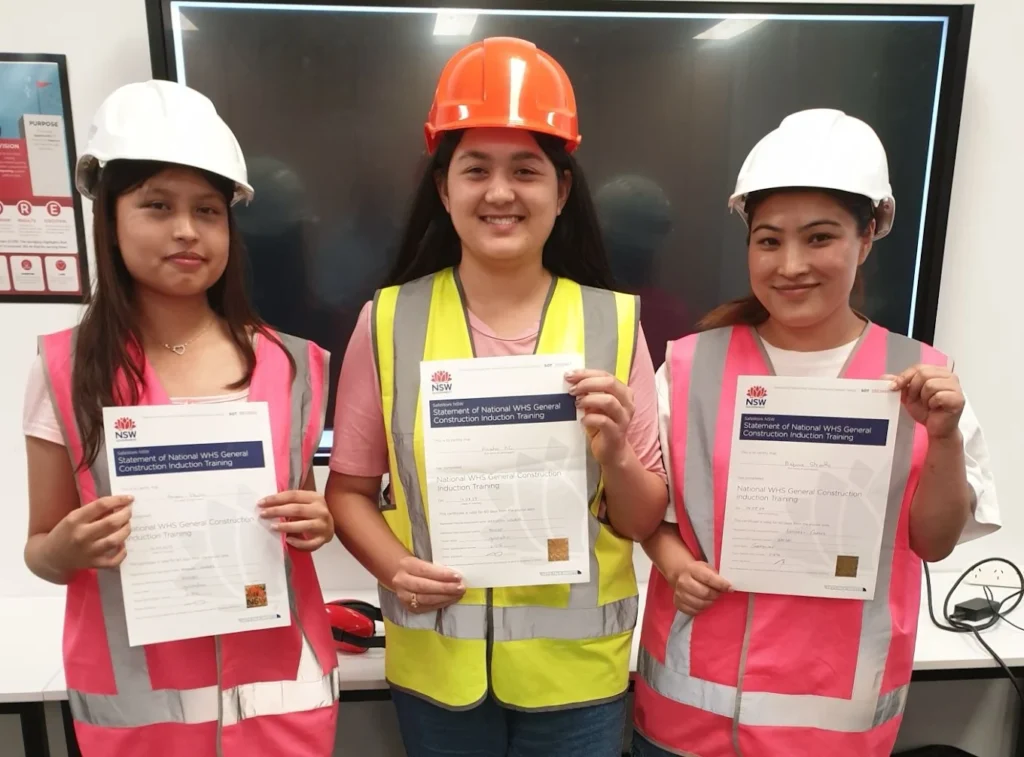
Anyone working on or regularly accessing a construction site in Australia needs a White Card before they start. It’s a legal requirement. The White Card course covers the CPCCWHS1001 unit and takes between six and eight hours to complete depending on the delivery method and your state.
Online delivery is available in some states, with others requiring face-to-face or live virtual classroom training. Either way, it’s a one-day commitment and most providers run sessions on weekdays, weekends, and evenings so you can fit it around other plans.
Construction work pays well over summer, and labour hire companies move fast when filling casual roles. Having your White Card sorted before you apply puts you ahead of anyone who hasn’t done it yet, most employers won’t even consider you without it.
Getting Ready for Summer Work?
Explore NOC’s online course options and choose the training relevant to your summer job plans.
National Online Courses · RTO 41072.
Need a hand choosing? Call 1300 512 501.