
Food Handler Certificate: Requirements, Training, Cost
If you work with food in a café, restaurant, takeaway, catering business, supermarket, aged care facility or another food service environment, you need the right food safety skills and knowledge for your role.


In Short
- Food safety training is required for certain food handlers and businesses. Standard 3.2.2A sets specific training requirements for some businesses handling unpackaged, potentially hazardous ready-to-eat food.
- SITXFSA005 is one nationally recognised food safety training option. It covers the practical skills and knowledge needed to handle food hygienically and safely.
- You can complete food safety training online. An online, self-paced course can be a convenient way to complete your training without attending a classroom.
- Our Food Handler Course takes approximately six hours and currently costs $90, with a nationally recognised Statement of Attainment issued after successful completion.
For many food handlers, completing a recognised food safety training course is a straightforward way to develop and demonstrate those skills.
If you’re considering a food handler certificate, you probably want to know what training you actually need, whether you can complete it online, how much it costs and whether the certificate is recognised across Australia.
This guide explains the current food handler training requirements in Australia and what to expect from an online course.
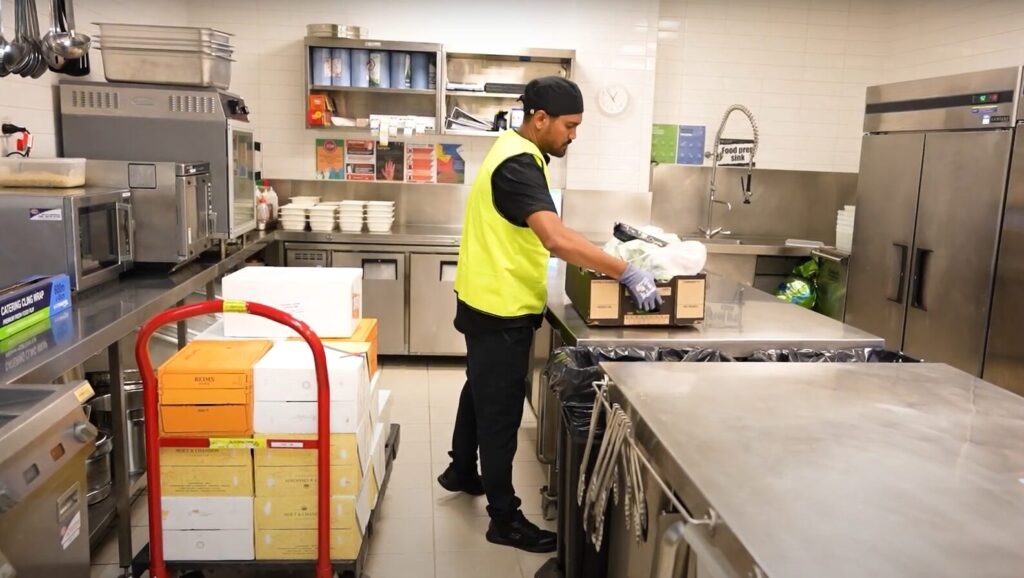
What is a Food Handler Certificate?
A Food Handler Certificate is evidence that you’ve completed food safety training and understand the basics of handling food safely.
You’ll learn things you actually need to know when working around food, such as how contamination happens, when you need to wash your hands, how to prevent cross-contamination, how food should be stored and why cleaning and sanitising matter.
For people working in hospitality, catering and other food-related jobs, this knowledge is part of doing the job safely. Food businesses have a responsibility to make sure their food handlers have the skills and knowledge they need to keep food safe.
It’s interesting to note, however, there’s one common misunderstanding when it comes to food handling, and that’s the belief there’s a single national law saying every person who handles food must hold a particular certificate. There isn’t.
Under Australia’s food safety standards, food handlers need the appropriate skills and knowledge for the work they’re doing. That’s where a recognised food safety course can be useful. It gives you a structured way to learn the required skills and provides evidence of your training.
Who needs to complete a food handling course?
If you’re starting work in hospitality, food service or catering, food safety training is a sensible place to start.
Food safety training can be relevant to people working as kitchen hands, chefs and cooks, café and restaurant workers, food and beverage attendants, caterers, food truck workers, deli and bakery workers, and food service workers in aged care, healthcare and other settings.
But not everyone who works around food necessarily needs to complete the same formal course. The training you need depends on your role, the type of food you’re handling and the requirements of the business.
| Industry/workplace | Typical roles | Why food safety training matters |
| Cafés, restaurants and bars | Waitstaff, kitchen hands, chefs, food and beverage staff | Helps workers understand safe food handling, hygiene and contamination prevention in hospitality settings. |
| Catering businesses and food trucks | Caterers, food truck workers, event food staff | Helps workers maintain safe food handling practices when preparing and serving food in different locations. |
| Aged care and healthcare | Kitchen staff, food service workers, care workers involved in food preparation | Helps protect people who may be more vulnerable to foodborne illness through appropriate food safety practices. |
| Childcare | Kitchen staff, food service workers, educators involved in food preparation | Helps ensure food is prepared, stored and served safely to children. |
| Supermarkets, delis and bakeries | Deli workers, bakery assistants, food service staff | Helps workers safely prepare, handle, store and serve food in retail environments. |
| Market stalls and food vendors | Market stallholders, prepared food vendors, food service workers | Helps workers meet applicable food safety requirements when preparing and selling food to the public. |
| Hotels and resorts | Food and beverage attendants, room service staff, kitchen staff | Supports safe food handling across restaurants, cafés, room service and other food service operations. |
The exact requirements can vary depending on the food business and the work you’re doing. If you’re not sure whether you need formal food safety training, check with your employer or local food safety authority.

What food safety course should I do?
If you’ve been told you need food safety training, you might be wondering which course you should actually choose.
There’s no single food safety course that every food handler in Australia is required to complete. The right training depends on the type of food business, the work you’ll be doing and, in some cases, the requirements of your employer or local food safety authority.
If you’re looking for a nationally recognised food safety course, it’s worth checking whether the course leads to a nationally recognised unit of competency.
SITXFSA005 – Use hygienic practices for food safety
SITXFSA005 is a nationally recognised unit of competency covering the practical skills and knowledge needed to handle food hygienically and safely.
It’s designed for people working in food-related roles and covers the things you’d expect from a food safety course, including personal hygiene, food contamination, cross-contamination, cleaning and sanitising, and safe food handling practices.
National Online Courses Food Handler Course delivers SITXFSA005 – Use hygienic practices for food safety. There’s no previous hospitality experience required, and you can complete the training online at your own pace.
Successful completion results in a Statement of Attainment for SITXFSA005 – Use hygienic practices for food safety.
If you’re choosing a course because an employer has specifically asked you to complete food safety training, it’s a good idea to check what they require before enrolling. They may be looking for a particular course, unit or type of training.
For most people simply looking to get their food safety training completed before starting work, however, a nationally recognised unit such as SITXFSA005 can be a straightforward way to build the required skills and have formal evidence of your training.
What do you learn in a Food Handler Course?
A good food handler course is about more than simply learning a list of hygiene rules. It’s about understanding why those rules matter and knowing what to do when you’re actually at work.
Food contamination
You’ll learn how food can become contaminated and the different hazards you need to watch out for. That includes things such as harmful micro-organisms, physical contaminants and other sources of contamination.
You’ll also look at cross-contamination. For example, how bacteria can be transferred from raw food, hands, equipment or surfaces to food that is ready to eat.
Personal hygiene
Good personal hygiene is one of the simplest ways to reduce the risk of contaminating food.
The course covers things such as effective handwashing, keeping clothing and equipment clean, using protective equipment where required and knowing when illness or other health issues could create a food safety risk.
Cleaning and sanitising
Cleaning and sanitising aren’t quite the same thing, and both are important in a food preparation environment.
You’ll learn about hygienic cleaning practices and how to keep food preparation areas, equipment and food contact surfaces safe.
Safe food handling
You’ll learn how to handle food in ways that reduce the risk of contamination and foodborne illness.
That includes understanding food hazards, following workplace hygiene procedures and knowing when a food safety problem needs to be reported or corrected.
Food storage and temperature control
How food is stored matters just as much as how it is prepared. You’ll learn about safe storage practices and why temperature control is important when working with foods that can support the growth of harmful microorganisms.
These are all practical skills you can take into a real workplace.

Is a Food Handler Certificate legally required?
This is where things can get a little confusing. There isn’t a blanket national rule saying that every person who handles food must hold a Food Handler Certificate.
What the national food safety standards do require is that food handlers have the skills and knowledge necessary to handle food safely.
Under Standard 3.2.2 of the Australia New Zealand Food Standards Code, food businesses must make sure their food handlers and supervisors have the skills and knowledge needed to handle food safely. That doesn’t necessarily mean everyone has to complete a formal course. Training can also be provided in-house or through other appropriate methods.
There are also specific food handler training requirements under Standard 3.2.2A for certain food businesses. These requirements apply to businesses such as many restaurants, cafés, caterers, takeaway businesses, supermarkets and other food service or retail operations handling unpackaged, potentially hazardous ready-to-eat food.
For businesses covered by these requirements, food handlers need to have completed appropriate food safety training or have equivalent skills and knowledge before handling the relevant foods. The training needs to cover safe food handling, food contamination, cleaning and sanitising, and personal hygiene.
There can also be additional state or territory requirements, particularly around Food Safety Supervisors.
So if an employer has told you that you need a Food Handler Certificate before you start work, completing the course is a straightforward way to get the training and nationally recognised unit they are looking for.

Food Handler Certificate vs Food Safety Supervisor Certificate
These two are easy to mix up, but they’re not the same thing.
Food handler training is about making sure people who handle food understand how to do it safely.
A Food Safety Supervisor (FSS) has a different role. Certain food businesses must have a certified Food Safety Supervisor who oversees food safety practices and helps make sure food handlers are following appropriate procedures.
So if you’re starting an entry-level hospitality job, you may only need food handler training. If you’re taking responsibility for supervising food safety in a business, you may need the separate Food Safety Supervisor training.
It’s worth checking which one your employer or workplace actually requires before enrolling.
What do I need to do the course?
You don’t need previous hospitality experience to complete SITXFSA005. For an online course, you’ll need:
- Valid identification: A government-issued photo ID such as a driver’s license or passport.
- Stable internet connection: Required to access the course and complete assessments online.
- Basic English skills: You must be able to read, write, and understand English to complete the course requirements.
- USI (Unique Student Identifier): Generally required for nationally recognised VET training.
Because the course is online and self-paced, you don’t need to organise a day in a classroom. You can work through the material around your existing commitments.

Can I do a Food Handler Course online?
Yes. Food safety training can be completed online where the course and delivery method meet the relevant training requirements. Online study can be a convenient option if you’re working, starting a new job or simply don’t want to spend a day in a classroom.
The National Online Courses Food Handler Course is self-paced, so you can work through the training when it suits you and return to it as needed. You’ll complete the required assessments online, with trainer support available if you need help.
How long does a Food Handler Course take?
The National Online Courses Food Handler Course takes approximately six hours to complete. You don’t have to sit down and do the whole thing in one go. Because it’s self-paced, you can work through the course in smaller sessions and log back in when it suits you.
You’ll complete assessments as you work through the course rather than sitting a separate final exam. If you need help along the way, trainer support is available.
As with any online course, you’ll need to be comfortable working through the learning material independently and completing the assessments online.
How much does a Food Handler Certificate cost?
The National Online Courses Food Handler Course currently costs $90. Because prices can change, it’s worth checking the current course price before enrolling.
The course is delivered online, so you also don’t have the travel and time costs associated with attending a face-to-face course.
How do I get a Food Handler Certificate?
The process is pretty straightforward. You enrol in the online course, work through the learning material and complete the required assessments. You’ll cover the key areas of food safety and hygiene along the way, with trainer support available if you need it.
Once you’ve successfully completed the course and assessments, you’ll receive your Statement of Attainment for SITXFSA005 – Use hygienic practices for food safety.
Is the Food Handler Course hard?
Obtaining your Food Handler Certificate is generally straightforward, particularly if you’re new to the food industry.
The training focuses on practical food safety knowledge, such as preventing contamination, maintaining personal hygiene, cleaning and sanitising, and handling and storing food safely.
You don’t need previous hospitality experience to complete SITXFSA005. Because the National Online Courses Food Handler Course is self-paced, you can also work through the material at a pace that suits you rather than trying to absorb everything in a single classroom session.

Does food handler training expire?
There isn’t a nationally prescribed expiry period for food handler training under Standard 3.2.2A.
That doesn’t mean you can complete training once and never think about food safety again. Businesses are responsible for making sure their food handlers’ skills and knowledge remain adequate and up to date, and regular refresher training is considered good practice.
Your employer may also have its own training or refresher requirements. It’s also important not to confuse this with Food Safety Supervisor certification, which has separate requirements.
Food handler course requirements
Our Online Food Handler Course is designed to give you the essential skills and certification you need to safely handle food in any hospitality or food service environment.
Whether you work in a café, restaurant, catering business, food truck, supermarket, or care facility, this nationally recognised training meets Australian food safety requirements and can be completed fully online at your own pace.
To ensure your success in the Online Food Handler Course, there are a few essential requirements you’ll need to meet before enrolling and completing the course:
- A Government-Issued Photo ID: You will need to provide a valid government-issued photo ID (e.g., driver’s licence, passport) for identity verification purposes. This ensures the integrity of your certification process.
- A Stable Internet Connection: As the course is fully online, you’ll need reliable internet access to complete the learning modules, engage with course content, and submit assessments. A strong internet connection will ensure you can access the materials smoothly and participate in any multimedia content.
- Basic English Skills: You should have a fundamental understanding of English to read, write, and understand the course materials. This includes being able to comprehend instructions, course texts, and assessments. If English is not your first language, consider using additional resources or support if needed.
- A Unique Student Identifier (USI): A USI is required for all accredited courses in Australia. This unique number links to your training records and keeps track of your course completions. If you don’t already have a USI, you can apply for one easily on the official government website.
Once you have these requirements in place, you’re all set to start the course and begin your journey towards becoming a certified food handler.

Ready to Get Started?
By completing the Online Food Handler Course, you’re not only meeting essential food safety requirements, but you’re also gaining the skills to boost your career in the food and hospitality industry.
Whether you’re looking to start a new job or enhance your existing skills, this course provides you with the practical knowledge needed to excel in a fast-paced and rewarding environment.
Sign up today and start learning at your own pace, from the comfort of your home, on any device.
With immediate access, full trainer support, and nationally recognised certification, you’ll be ready to handle food safely and legally in no time.
Take the first step towards your food safety certification today and open the door to new career opportunities.
Ready to Build Your Food Safety Skills?
Explore NOC’s online Food Handler course and check the training and assessment requirements before enrolling.
National Online Courses · RTO 41072.
Need a hand choosing? Call 1300 512 501.