RSA Certificate Australia: Your Complete FAQ Guide
May 29, 2026

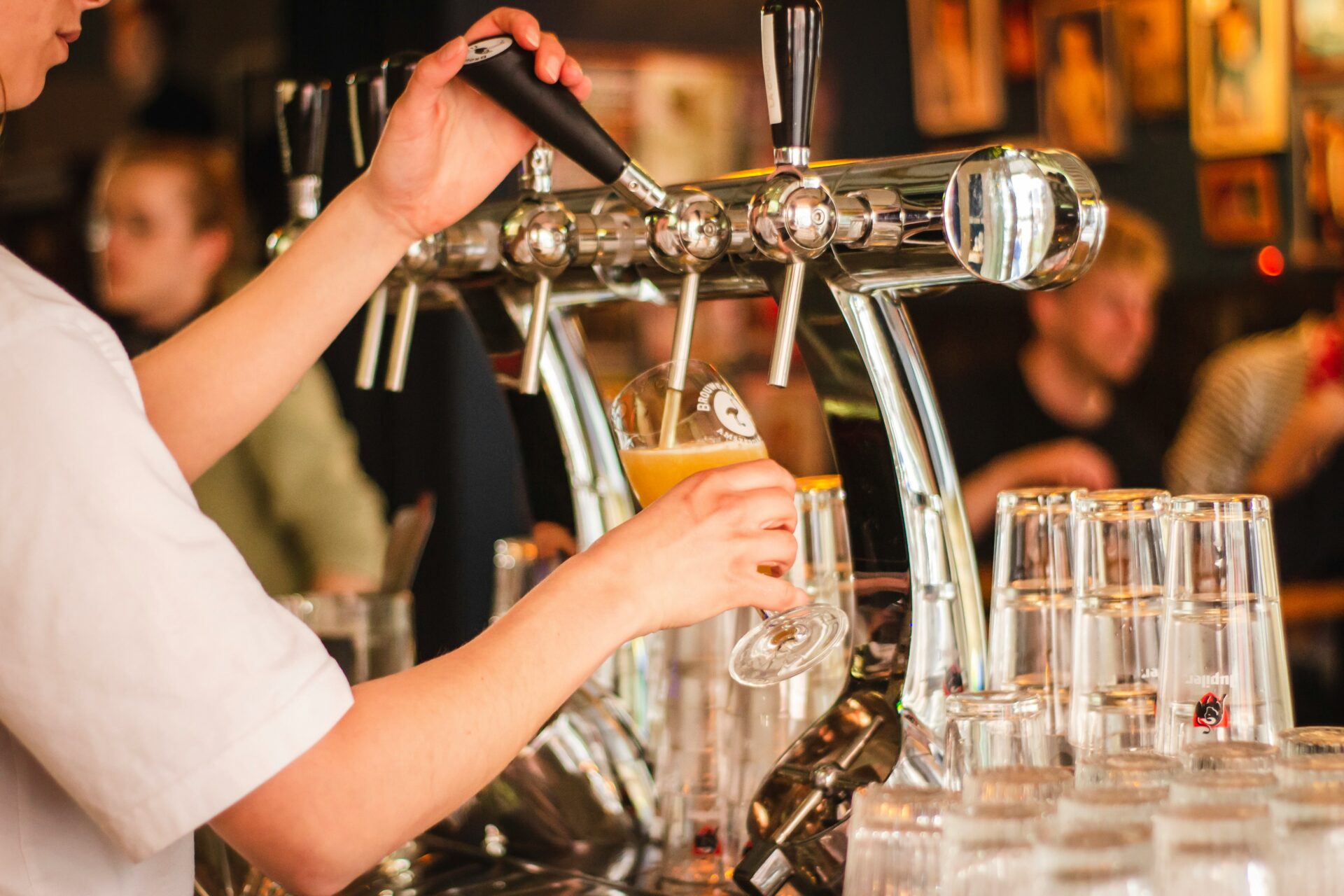
You have finished studying for your RSA course and now want to know what the assessment really involves.
RSA assessments are based on genuine situations that you might have while working in a licensed venue in Australia. Can you identify if a customer has drunk too much? Do you know what forms of ID to accept? What do you do if a customer objects when you refuse to serve them alcohol?
This guide gives you a detailed look at the topics the RSA course covers, walks through the types of questions that come up in the assessment, and explains the reasoning behind the correct answers.
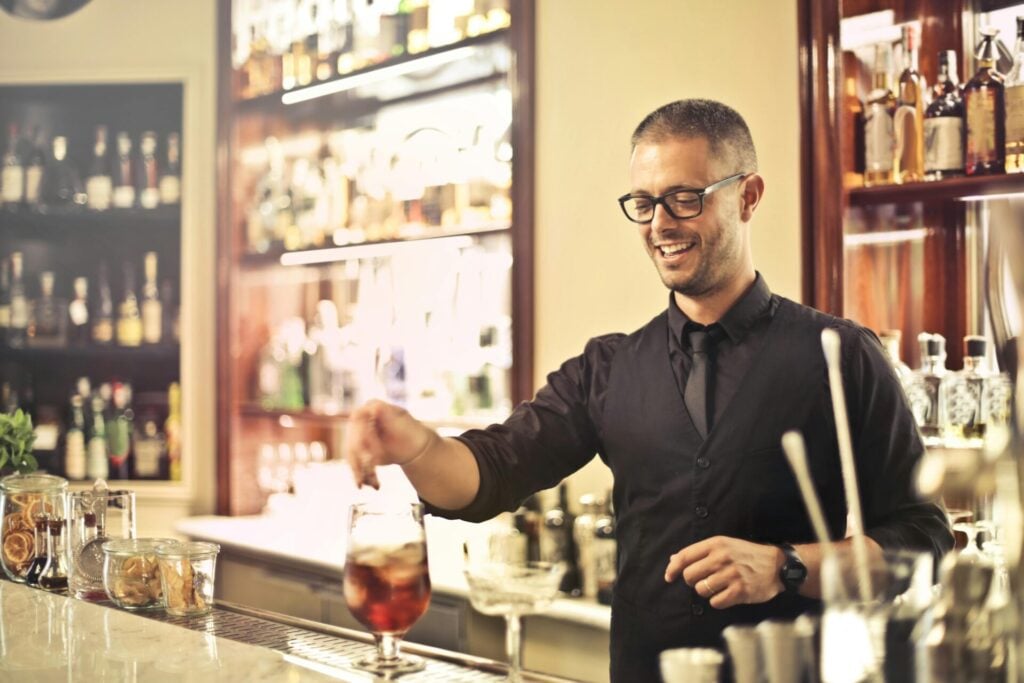
The RSA assessment is competency-based. It is designed to determine if you can apply responsible serving of alcohol principles in practical situations, rather than simply identifying sections of legislation. Understanding what is being tested will help you study much better than simply trying to find an easy-to-remember study guide on the internet.
The following questions cover the types of scenarios and areas of knowledge that appear in the RSA tests conducted across Australia. They are based on typical questions and provide useful information about the format and reasoning skills required to get questions correct.
Please note that these are not the actual questions you’ll get at the test, but they give you a good idea or what to expect.
Age verification is one of the easier parts of the RSA assessment, but it is also one of the most serious from a legal perspective. Failure to comply with age verification rules at work can lead to significant consequences, and the training program helps you understand the key aspects of age verification well.
Q: What is the minimum legal age to purchase or consume alcohol at a licensed venue in Australia?
A: 18 years old. All Australian states and territories enforce this rule without exception. Providing, supplying or serving alcohol to anyone under 18 is prohibited in licensed venues, regardless of their appearance or any claim to have a parent or guardian’s permission.
Q: A customer provides a genuine-looking driver’s licence showing their date of birth would make them 17 years old. What action do you take?
A: Refuse service. Since the identification shows that the person is below 18 years old, and fulfilling this legal requirement takes priority over social pressures, despite any complaints from the customer. If they object, explain calmly and respectfully that you cannot provide alcohol to minors.
Q: What is NOT a commonly accepted form of age verification at a licensed venue?
A: A – Medicare Card
Although a Medicare card proves one’s identity, it does not feature a photo or details of the date of birth sufficient to identify one’s age at licensed premises. Valid age verification documents need to include a photo and date of birth and be issued by the government.
Q: A customer says they have forgotten their ID card but claims to be above 18. What should you do?
A: Refuse Service
Since you cannot verify the customer’s age with a valid ID, you cannot provide them with alcohol. Verbal assurances of age are insufficient from a legal standpoint to provide adequate protection for yourself and your workplace. Politely inform the customer that an ID is necessary to provide them with alcohol services.
Q: A customer who has been drinking for two hours is talking loudly, arguing with friends and spilling his drink. What does this suggest?
A: Intoxication. Slurred or loud speech, increased agitation, and poor coordination (seen by drinking being spilled) are symptoms. You should stop serving this customer alcohol immediately and follow your venue’s procedures to deal with intoxicated patrons.
Q: Is it legal to continue serving alcohol to someone who seems drunk but says they can handle it?
A: No. Under laws about responsible service of alcohol throughout Australia, serving alcohol to someone who is drunk is against the law, regardless of what they say. Their insistence that they are sober does not change our responsibility to stop serving them drinks.
Q: Which of the following is a physical sign of drunkenness?
A: C) Signs of poor coordination and unstable walking. Physical signs of intoxication include difficulty standing or walking steadily, slow or clumsy movements, bloodshot or red eyes and slurred speech. Behavioral signs such as aggression or mood swings can occur at the same time as physical signs of intoxication.
Q: A customer has been drinking steadily for three hours and seems fine, but you keep a watchful eye on him. What approach to providing good service should you take?
A: Keep an eye on him, limit your service to him. When a customer has been drinking for some time, his blood alcohol level may still be rising. Offer to bring out water or snacks, pace yourself when serving drinks and keep an eye out for warning signs of drunkenness before they become severe.
If you’d like to know how you get an RSA job with no experience, you might want to read our guide.

The act of refusing service during RSA training is challenging to learn, not due to any difficulty with the rules, but because providing good service in a licensed venue requires good self-confidence and communication skills. The assessment tests both the ability to make decisions and the manner in which these decisions are communicated.
Q: A customer is aggressive after being told that we will not provide them with another drink. What should you do?
A: Keep calm, avoid getting into an argument and report the incident to Management or Security Staff. Your main concern is ensuring all staff and customers are safe. Do not physically restrain anyone. Record the incident once it has been resolved. Incidents arising from refusing to serve someone are a regular part of working in hospitality, including situations involving refusing service.
Q: Can we refuse to serve a patron based on the color of their clothes or their ethnic background?
A: No. Service can be refused on any one of several legitimate reasons related to our Responsibility of Service (RSA) – being drunk, aggressive, underage, or unable to provide valid identification. Serving or not serving based on factors such as racial origin, ethnic background, religious belief, sex, or physical appearance would constitute discriminatory behavior and could lead to possible court action against us and the premises.
Q: A group of friends arrive and one member appears to have been drinking before ordering. What should you do?
A: If one of a group of friends appears to be intoxicated before ordering, then no alcohol should be served to that individual for the remainder of the session. However, you can provide drinks to the other members of the group who appear to be sober. Treat each customer on an individual basis when assessing the level of intoxication.
Q: What actions can you take after refusing service to a customer?
Remain calm and courteous. Offer non-alcoholic drinks such as water or soft drinks. Inform your manager. Ensure the customer is safely monitored if needed. Record details of any refusal of service as per your venue’s policies. Never apologize for providing responsible service according to state laws.
This section explains the additional aspects of our responsibility to refuse service, including the impact of alcohol on the human body, the definition of standard drinks and examples of harm reduction strategies.
Q: What is considered a standard drink in Australia, and why is it important for achieving RSA goals?
A: One standard drink contains 10 grams of pure alcohol. Using the standard drink measurement allows us to help control alcohol consumption among employees and patrons. All types of alcoholic drinks contain different amounts of alcohol, eg A full strength pint of beer contains more than 1 standard drink. Keeping track of the amount of alcohol consumed helps to identify when someone may become intoxicated.
Q: A customer orders a round of shots at 7pm, what harm minimisation strategies can you apply?
A: You can provide the drinks lawfully if there are no signs of drunkenness, but you should keep a close eye on the group, offer them water with the drinks, control the rate of serving and be prepared to reduce or halt service if any customer appears drunk.
Q: What factors contribute to the speed of becoming intoxicated from alcohol?
A: Weight, sex, the amount of food consumed, level of hydration, tiredness, medication being taken, the speed of drinking and personal ability to tolerate alcohol contribute to how soon alcohol affects a person. Two people who have had the same amount to drink can display varying levels of intoxication.
Q: What is the permitted blood alcohol concentration (BAC) limit for fully licensed drivers in Australia?
A: 0. 05%. Some states have stricter limits for learner, provisional and certain commercial drivers. As an RSA-trained employee, knowing the limits of BAC is important as it contributes to customers’ safety when leaving.

The RSA assessment isn’t difficult. Most people who don’t pass go in memorising answers instead of understanding the reasoning, and scenario-based questions expose that immediately.
Every question tests the same thing: what’s the safe and legally correct action here? Use that as your guide and the right answer becomes clear.
The assessment doesn’t test your ability to recall sections of the Liquor Act. It tests whether you can recognise intoxication, refuse service without escalating the situation, and verify ID correctly. Understand those three things well and you’re in good shape.
Before you started the assessment, understand:
The legal drinking age is 18, no exceptions at licensed venues
Valid ID must include a photo, date of birth, and government issue. A Medicare card doesn’t qualify
The physical and behavioural signs of intoxication and the correct response
The consequences of serving minors or intoxicated patrons. Fines, licence suspension, and potential prosecution
What a standard drink is and why it matters for tracking consumption
How to refuse service professionally without creating conflict
National Online Courses (RTO 41072) delivers government-approved RSA training across all Australian states and territories. NSW courses run as live sessions with a qualified instructor. All other states are self-paced and take a few hours to complete. You receive your Statement of Attainment as soon as you pass, on the same day.

Your RSA assessment can be completed after finishing your RSA training program. Majority of students can finish within 30 to 60 minutes. You can complete the whole course consisting of both training and assessment within a day. In New South Wales, the online RSA training is delivered through live instructor led sessions. In all other states, self paced online course can be accessed.
Yes. Most Registered Training Organisations (RTOs) offer opportunities to retake the assessment if you do not succeed on your first attempt. Some providers include the opportunity to sit the assessment again in the course fee, while others will charge a small fee for this extra chance. Check what your RTO’s policy is before you sign up. Making good use of the study materials available during class time can help reduce the need to attempt to retake any assessments.
While the core subjects covered by RSA training are consistent across all states and territories, because all RSA courses are based on the same unit (SITHFAB021). There are some questions that deal with specific laws and regulations at a state level, especially those regarding minors in premises that sell liquor or renewing liquor licenses.
Many online RSA courses include video-based scenario questions as part of their assessments. They recreate typical hospitality situations such as dealing with a patron who appears to be intoxicated, checking identification or handling a situation where someone refuses to be served alcohol. The questions allow you to see how strategies and rules of conduct for liquor license holders can be applied in practice at a venue which provides liquor.