RSA Course Questions and Answers: 2026 Cheat Sheet
May 28, 2026

Online courses are certified in Australia, so you can start a new career right now. These are the courses we currently offer, book now and start working immediately.
Even though finishing school is a huge milestone, once we reach it, a question of ‘what next?’ remains. If you’ve left school and are looking to get a job in Australia, there are plenty of career options available, and you can land your first job sooner rather than later.
You don’t need to wait until after college or have worked for several years to secure a great job opportunity.
It comes down to knowing which jobs for school leavers are worth going for, what they actually pay, and what quick certifications could make your application stand out.
This guide covers 15 of the best jobs for school leavers in Australia, with average pay, what the role actually involves, and what you can do right now to make yourself a more competitive candidate.

Yes, a lot of school leavers land their first job within weeks of finishing. The reality is that plenty of employers aren’t looking for degrees or years of experience. They want someone reliable, willing to learn, and ready to show up. If that’s you, you’re already a decent candidate for a big chunk of the jobs on this list.
That said, it’s not just about turning up and hoping for the best. The school leavers who get hired quickly tend to do a few things right: they know which jobs are actually hiring, they grab any relevant certification before applying, and they come across like someone an employer can count on.
A White Card, an RSA, or a Food Handler certificate won’t guarantee you a job, but they do make your application a lot harder to ignore. Most of these take less than a day to complete and cost next to nothing. Getting them done before you start applying puts you ahead of the people who don’t bother.
So yes, getting a job straight out of year 12 is very doable. The 15 roles in this guide are a solid starting point. Most require no prior experience, pay a decent hourly rate, and give you real skills you can build on.
A lot of these jobs don’t ask for any prior experience and will train you once you’re in. What actually gets you hired is showing up prepared, having the right attitude, and making it clear you’re someone who follows through.
Average Pay: $31 to $55/hr casual (weekday through Sunday penalty rates)
Working in bars and the hospitality sector offers good job opportunities for school leavers, especially in major cities such as Sydney, Brisbane and Melbourne, where there are numerous licensed venues across almost all suburbs.
As a bartender, your tasks include taking drink orders, serving alcoholic and soft drinks, processing cash and credit transactions via EFTPOS and maintaining a clean, tidy and well-stocked bar throughout service hours.
You need to have a valid RSA (Responsible Serving of Alcohol) Certificate before starting work, so do make sure to book it now.
The RSA is a widely recognised national qualification based on the SITHFAB021 skill set and can be obtained in 3-6 hours from a reputable Registered Training Organisation. Getting this qualification before starting your job search gives you an edge over other candidates.

Average Pay: $30 to $42/hr casual
Food and Beverage Attendants work at Restaurants, Cafes, Hotels and Clubs serving food and drinks to customers’ tables, taking orders, preparing and clearing dining areas and supporting overall venue operations during peak periods.
This is one of the flexible career paths available for young people, with varied roster patterns including mornings, evenings, weekends and part-time shifts at many establishments.
If you also hold a Food Handlers’ Certificate along with your RSA certificate, employers know that you understand important aspects of maintaining good food hygiene practices and are qualified to handle food safely before starting work.
A positive attitude and ability to work flexible hours matter more to Hotel/Restaurant Managers looking for a Food & Beverage Attendant rather than prior experience.

Average Pay: $31 to $40/hr casual
Australia’s construction industry employs over 1.2 million people and is always looking for workers. Day-to-day, you’ll be doing things like moving and unloading materials, cleaning up the worksite, and giving tradespeople a hand with whatever needs doing. It’s physical work, but it’s steady.
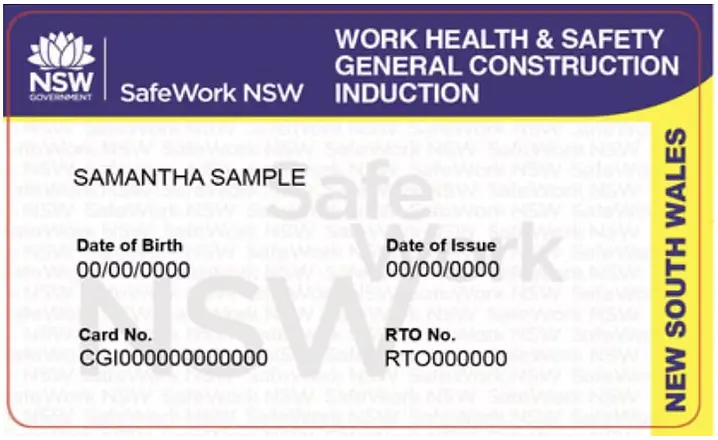
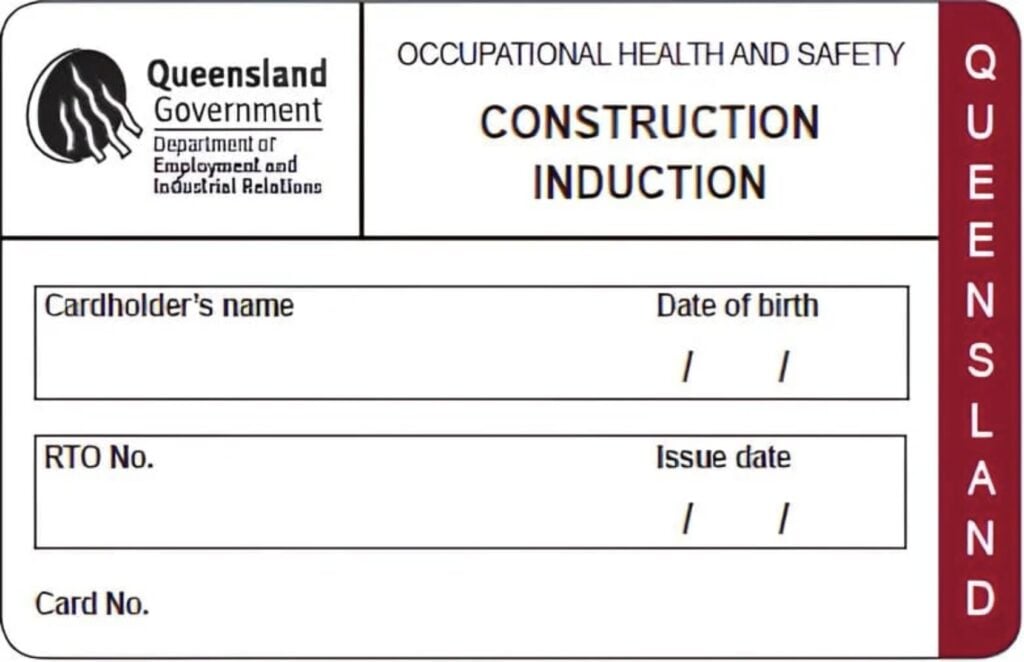
Every construction site in the country requires a White Card in Australia, the compulsory induction card that proves you know how to work safely on site. You can get it done in a day, and without it, no construction company can legally put you to work, so get it sorted before you start applying.

Average Pay: $24 to $38/hr casual
Retailing is one of the most popular part-time job opportunities available to school-leavers in Australia. Various big retail stores, such as Woolworths, Coles, Big W, Kmart and Target, provide casual employment opportunities throughout the year on their sales floors, counters or warehouse areas.
Responsibilities include handling customer queries, managing transactions and maintaining neat displays and stock arrangements across various sections of the store.
No educational qualifications are needed for this role. Retailers provide on-the-job training from Day One. Starting here provides an opportunity to develop strong communication skills and deliver quality customer care, essential abilities in numerous industries.

Average Pay: $28 to $38/hr casual, including penalty rates
Gaming attendant roles at hotels, clubs, and RSLs across NSW, Queensland, SA, and other states are worth looking at if you’re 18 or over. You’ll operate gaming equipment, pay out prizes, deal with customers, and follow responsible gaming procedures throughout your shift.
You need a Responsible Service of Gaming (RSG) certificate to work in this field. In New South Wales it’s called the Responsible Service of Gambling certificate. Both can be done online through a registered training organisation, and having an RSG alongside an RSA opens up a lot of doors in venues where bar and gaming responsibilities overlap.
The casual pay rate is genuinely good for an entry-level role, and night and weekend penalty rates push your hourly rate up even higher.
Many venues prefer to hire staff who can cover both bar and gaming floors, so holding both certificates makes you a much more attractive candidate. Once you’re familiar with how the venue runs, moving into a shift supervisor or floor manager role is a realistic next step.

Average Pay: $16 to $24/hr as an apprentice (rises with year level)
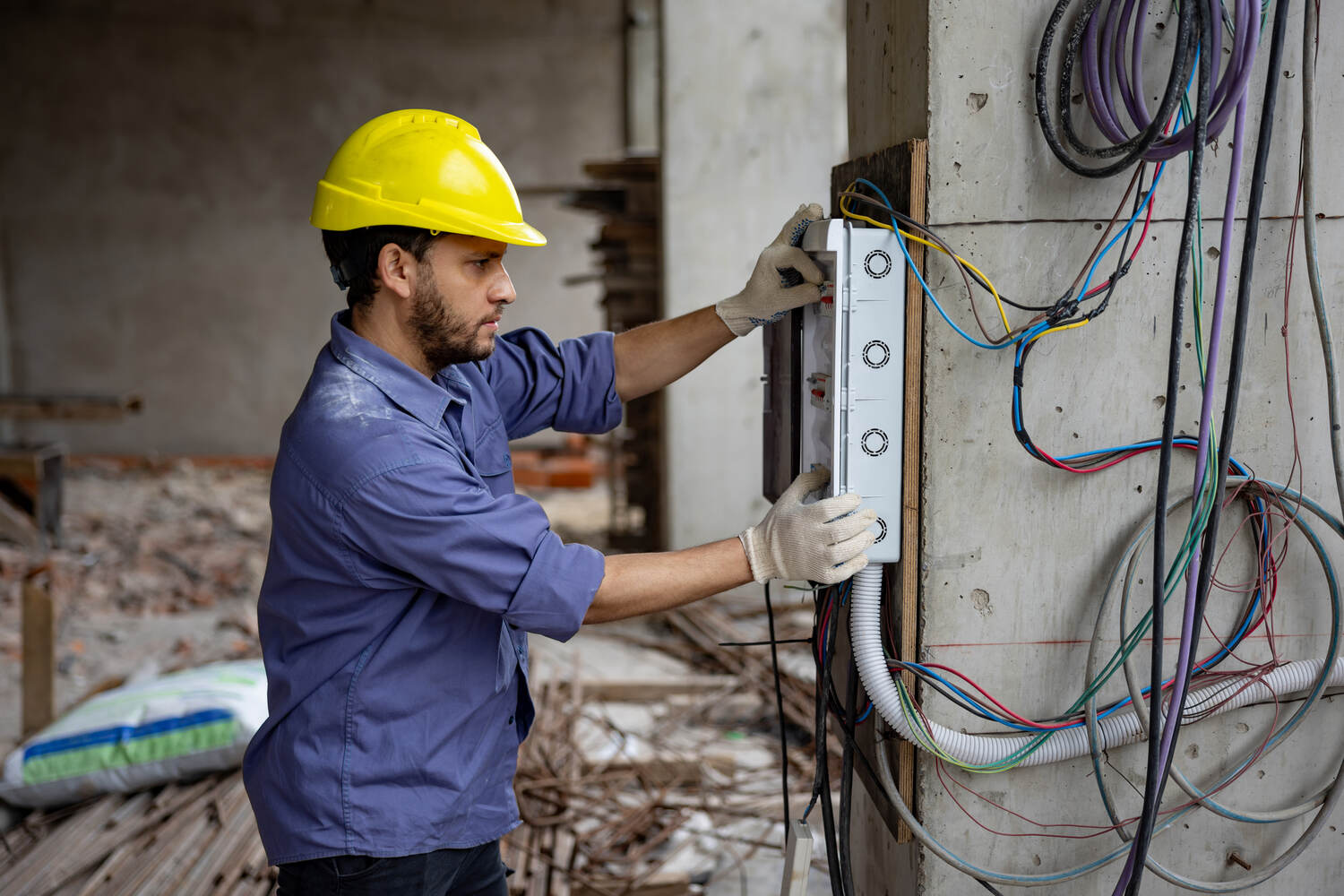
If you finished year 12 and want a trade with real long-term earning potential, electrical is one of the best options out there. You’ll work toward a Certificate III in Electrotechnology Electrician over four years, splitting your time between on-the-job training and structured study.
Starting out, you work alongside experienced electricians, known as sparkies, across homes, businesses, and industrial sites. Day to day, you’ll be running cables, installing power points and light fittings, and helping diagnose faults in electrical systems.
It’s hands-on from the start, and by the time you’re qualified, you’ll have solid, practical skills in installing, maintaining, and repairing electrical systems across all kinds of settings. For year 12 school leavers after practical work and a career that pays well as you grow, electrical ticks a lot of boxes.
Average Pay: $16 to $25/hr as an apprentice
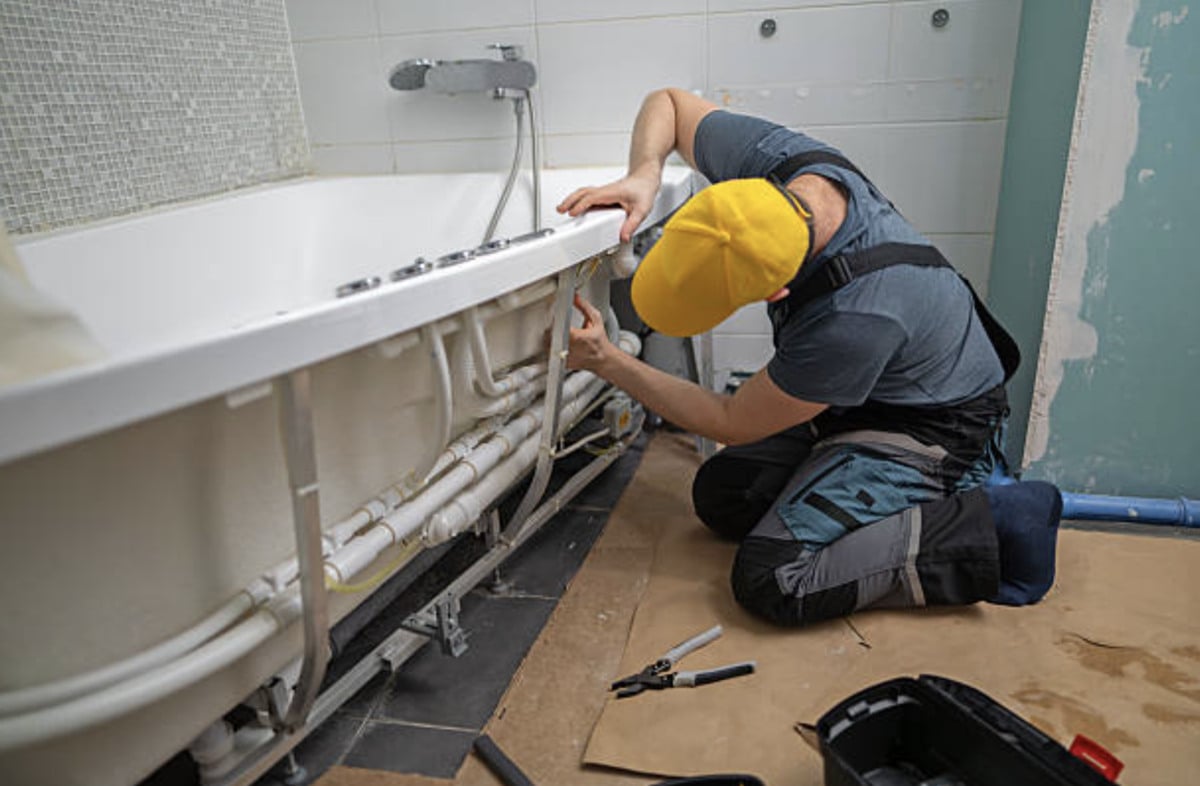
Plumbing apprenticeships last 4 years and lead to a Certificate III in Plumbing. Once you complete it, you can apply for a plumbing license in your respective state or territory.
As an apprentice plumber, you get hands-on training across domestic, commercial, and civil construction, working on drainage systems, water reticulation networks, gas connections, and roofing, depending on what your employer specialises in.
Plumbers are in short supply all over Australia, so if university isn’t your thing, this is a solid path worth considering. You’re employed full-time while you train, completing your vocational qualification through TAFE or another recognised provider, usually one day a week or in block releases.
Average Pay: $16 to $23/hr as an apprentice
A carpentry apprenticeship runs three to four years and leads to a Certificate III in Carpentry. You’ll work on domestic and commercial construction sites, picking up skills in framing, formwork, roofing, and finishing through a mix of hands-on work and structured training.
Carpentry is physical, practical work, and you’re doing concrete things from day one. Once you’re qualified, plenty of carpenters go on to run their own business as a sole trader or small company within a few years, which opens up much better earning potential down the track.
Your pay increases each year of the apprenticeship, so the starting rate is only temporary. Demand for carpenters stays consistently strong across Australia, especially with housing construction and commercial fit-outs keeping the industry busy year-round. Employers range from residential builders and renovation companies to commercial construction firms and interior fit-out specialists.

Average Pay: $19 to $26/hr
An administration traineeship is worth looking at if you want to build office skills and walk away with a nationally recognised qualification at the same time. You’ll handle things like filing, correspondence, data entry, and general admin support across a range of sectors, including health care, law firms, retail head offices, and government departments.
The best part is you’re earning a wage while you work toward your Certificate III in Business Administration through TAFE or a registered provider. You don’t have to choose between getting a job and studying.
Most traineeships last 12 months and involve one day per week of formal study alongside your regular work duties. The skills you pick up, things like scheduling, record-keeping, communication, and dealing with people, transfer into almost any industry. It’s a flexible foundation that can take you into roles in finance, human resources, operations, or office management as your career develops.

Average Pay: $27 to $34/hr
Childcare is worth considering if you like working with kids and want a career that actually matters. The job includes the following:
To work in childcare in Australia, you need to have or be studying toward a Certificate III in Early Childhood Education and Care (CHC30121), plus a Working with Children Check (WWCC). A lot of centres hire trainees and support you through your qualification while you’re on the job.
Once you have your Certificate III, you can keep going and complete a Diploma of Early Childhood Education and Care, which comes with higher pay and more responsibility.
The sector is growing fast and demand for qualified educators is strong across cities and regional areas. Job security is solid, and full-time and part-time roles are widely available.

Average Pay: $23 to $37/hr casual
Major supermarkets like Woolworths, Coles, ALDI, and IGA are always hiring across Australia. As a team member, you could be running checkouts, picking orders for home delivery, serving at deli or bakery counters, or keeping the store looking presentable.
The hours are flexible, with morning, afternoon, evening, and weekend shifts available, which makes it easy to work around other commitments. Hard work and initiative can get you into a supervisor or department manager role within a year or two.
Most supermarkets have structured internal programs that actively promote team members into leadership roles, so your progress doesn’t rely on luck. You’ll also build practical skills in customer service, stock management, food handling, and cash handling, all of which look solid on a resume regardless of where your career takes you. The consistent rostering and reliable pay make it a stable first job while you work out your longer-term plans.

Average Pay: $30 to $35/hr casual
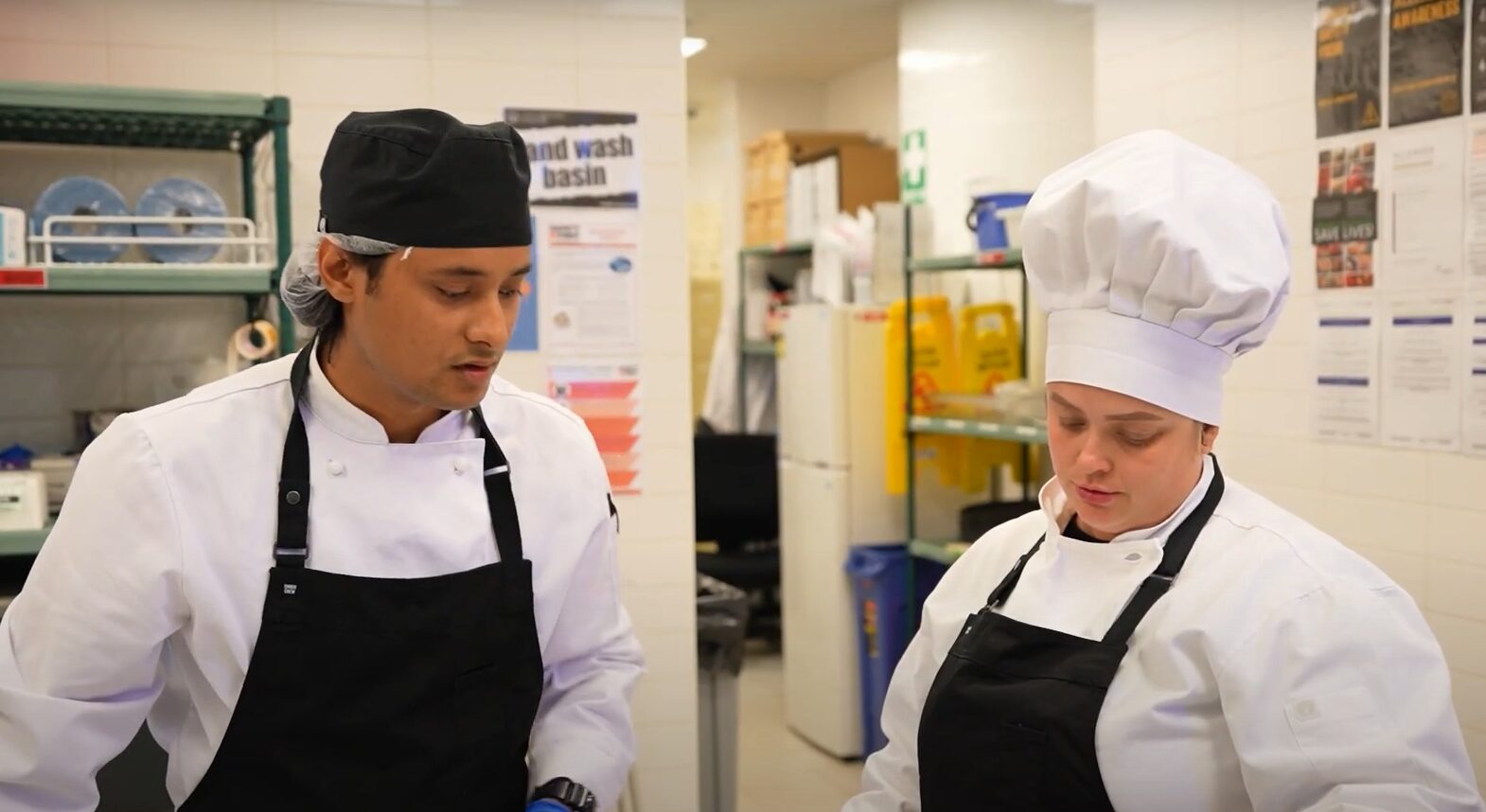
Kitchen hand roles exist all over Australia, in restaurants, hotels, aged care homes, and catering businesses. It’s fast-paced, physical work. You’ll be washing dishes, doing basic food prep, keeping the kitchen clean, and restocking supplies during and after service.
You don’t need to have worked in a kitchen before, which makes it one of the easier entry points for year 12 school leavers. Getting a Food Handling Certificate before you apply is a smart move. It’s cheap, done online, and shows employers you take food safety seriously.
Working in a kitchen also gives you a front-row view of how professional kitchens run, which is useful if you ever want to train as a chef or move into a food prep or cook role down the track.
Casual shifts are available across most cities and towns, and hospitality venues often have multiple shifts throughout the week. It’s one of the fastest ways to start earning straight after school.
Average Pay: $25 to $35/hr
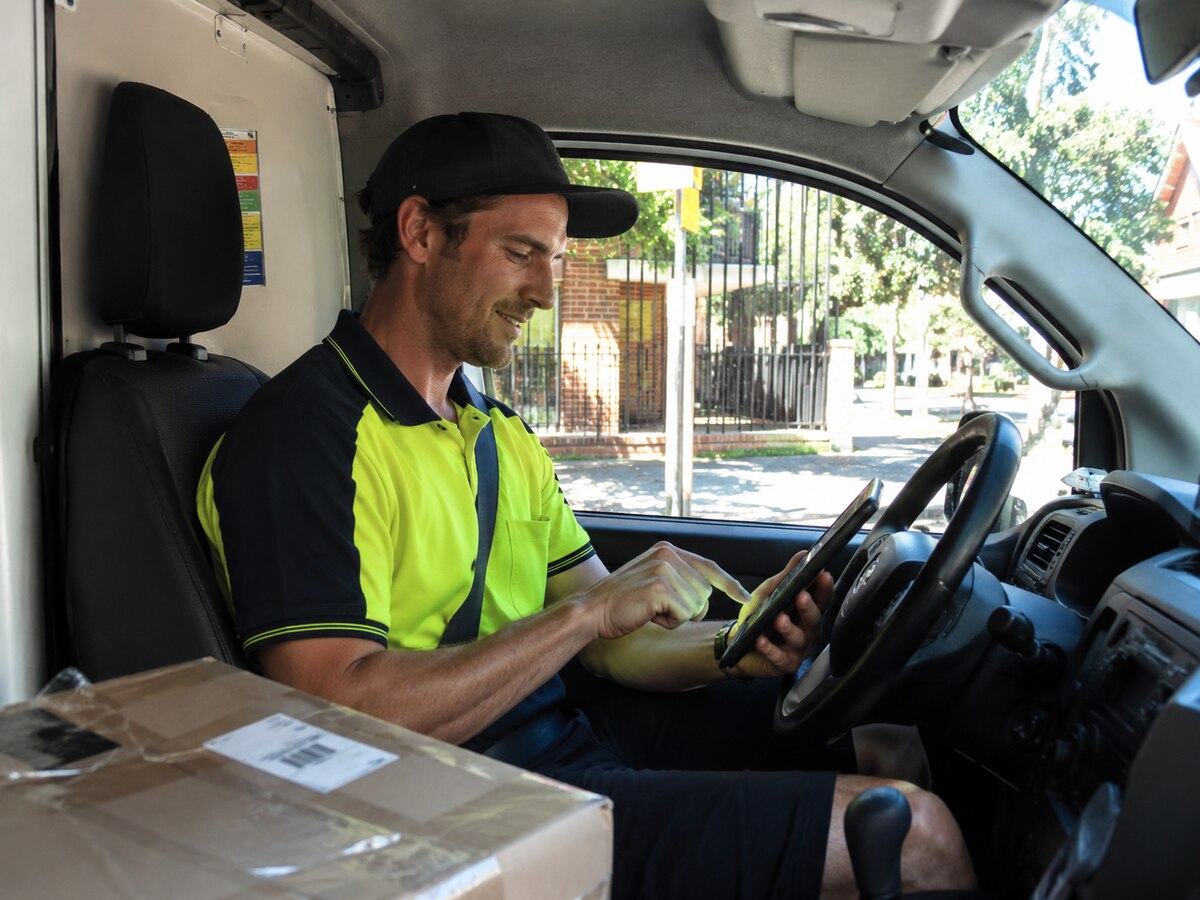
Delivery driving is a quick way to start earning after school if you’re 18+ and have a valid Australian driver’s licence. You can work as an employee or as a contractor for platforms like Uber Eats, DoorDash, and postal services across cities and regional areas.
Companies like Australia Post, Toll, and StarTrack offer more structured roles with set hours and a regular income, which is a step up from the unpredictability of gig work. If you have reliable access to a car and want flexible or part-time work that pays quickly, it’s worth looking into.
Going the contractor route with food delivery apps gives you full control over your hours, but your income depends entirely on how much you put in. Employee roles with logistics companies tend to come with superannuation, consistent hours, and a clearer path to full-time work.
As demand for last-mile delivery keeps growing across Australia, more of these roles are appearing in both metro and regional areas.
Average Pay: $27 to $35/hr
Aged care support work is a good option if you want a job that makes a real difference. You help elderly people with everyday tasks like getting around, eating, personal care, and staying socially connected, in residential facilities or through community-based home care programs.
The mandatory qualification is a Certificate III in Individual Support (CHC33021), and many employers will help you get there while you’re working. You’ll also need to complete the HLTINF006 infection control unit. The sector is growing fast, with demand for workers in both cities and regional areas.
Australia’s ageing population means job security in this field is about as reliable as it gets. Once you have your Certificate III, you can go on to a Diploma of Community Services or move across into disability support through the NDIS, which is another area with strong demand and growing wages.
It’s one of the few entry-level sectors where employers are actively competing to attract and keep good people.

Average Pay: $26 to $33/hr
Call centres, department store head offices, banks, and government agencies across Sydney, Brisbane, and other major cities regularly hire year 12 school leavers with no prior work history. You’ll handle customer questions by phone, email, or in person, deal with routine tasks, and flag anything more complex to senior staff.
Strong communication skills and the ability to stay calm under pressure matter more here than any formal qualification. Most companies run a proper induction and training program when you start, so you won’t be left to figure things out on your own.
Strong performers often move into team leader, quality assurance, or account management roles within 12 to 18 months. The skills you build, things like conflict resolution, active listening, and problem-solving, are useful across almost every industry, which makes this a smart starting point even if customer service isn’t where you want to stay long-term.
A lot of big employers in this space have internal job boards and actively encourage staff to apply for roles in other parts of the business.

There are many, such as retail, hospitality, kitchen hand work, supermarkets, delivery driving, customer service, and construction labouring. These are all roles that regularly hire people with zero work history. Most of them will train you from day one, so you’re not expected to walk in already knowing everything.
Beyond that, apprenticeships and traineeships open up a whole other set of options. Trades like electrical, plumbing, and carpentry are in high demand across Australia and offer real career progression. Traineeships in areas like business administration, childcare, and retail give you a qualification while you’re earning a wage. You don’t have to pick between working and studying. You do both at the same time.
No, you can start working from as young as 14 or 15 in places like supermarkets, retail stores, cafes, hotels, and kitchens. There’s no national minimum working age in Australia, though some states have specific rules around school attendance and the types of work young people can do.
There are some roles that do require you to be 18. Anything involving serving alcohol or working on gaming machines has a legal age requirement, so bar work and gaming attendant roles are off the table until then. Construction site labouring is a bit different. Most states allow you to work on site from 14 as long as you hold a valid White Card, which you can get in a single day.
If you’re 16 or 17 and want to start earning, supermarkets and retail are your easiest entry points. Both industries hire regularly, train you on the job, and offer flexible hours that work around other commitments.
Yes, and this is one of the most practical things you can do before you start applying. Employers hiring for roles that require an RSA, White Card, or Food Handling certificate will almost always shortlist candidates who already have them over those who don’t. It’s not complicated and it shows that you’re serious about the job.
Most of these certificates take less than a day to complete and don’t cost much. That’s a pretty small investment when you consider it can push your application to the top of the pile. An 18-year-old with an RSA applying for bar work is far more useful to a venue than someone who needs to be trained and certified before they can legally serve a drink.
People mix these up all the time, but they’re different. An apprenticeship leads to a trade qualification in areas like electrical, plumbing, carpentry, or air conditioning. It takes three to four years, combining on-the-job training with study through TAFE or a registered provider. Pay starts low but goes up each year, and once you’re done, you’re a qualified tradesperson with serious earning potential.
A traineeship is shorter, usually one to two years, and covers non-trade fields like business administration, childcare, retail, and aged care. You’re employed and earning the whole time, with study built in around your work hours.
Both are solid alternatives to university. You come out with a real qualification, actual work experience, and zero student debt. Trades in particular are in short supply across Australia right now, so finishing an apprenticeship and struggling to find work isn’t really a thing.